Whiskey 101: From Canada to Japan
Whisky is a spirit defined by place. While all whisky comes from fermented grain (corn, rye, barley and wheat), the specific rules of the country where it is distilled determine its name, its character, and its flavour. Whether you prefer the sweetness of Kentucky corn or the smoky complexity of Scottish barley, understanding the region is the key to finding your perfect dram.
American Whiskey: Bold & Sweet
The United States is famous for strict rules that result in bold, consistent flavours.
The story of American whiskey began when early settlers discovered an abundance of rye, leading to the birth of the first US whiskies. Later, as the frontier expanded into present-day Kentucky, corn became the dominant crop, and America’s treasure—Bourbon—was born. While production in the US ranges from unregulated moonshine to white whiskey, the country is best known for its strict standards on aging and ingredients. Below, we explore the three primary types: Bourbon, Tennessee Whiskey, and Rye.
American Bourbon
Requirements:
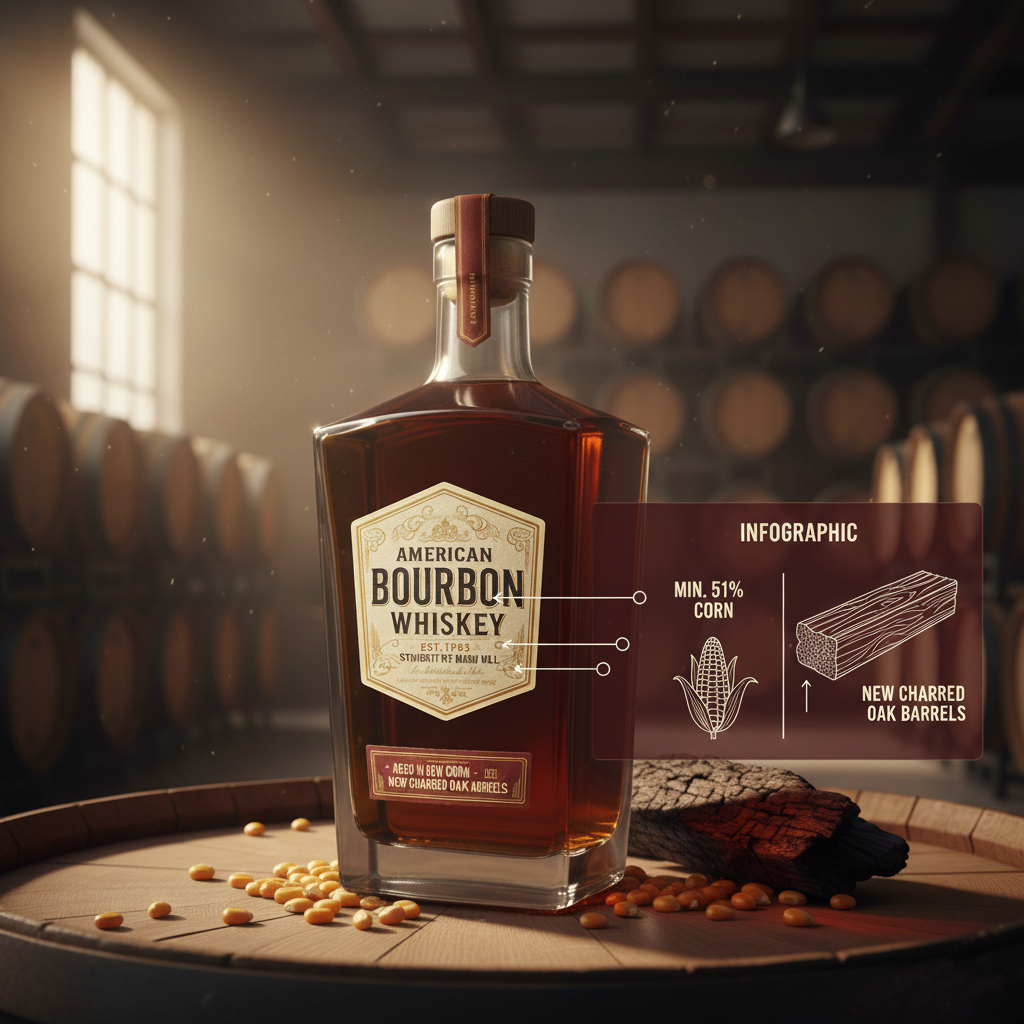
Must be made in the USA (mostly Kentucky) from at least 51% corn. It must be aged in new charred oak barrels, with no additives allowed except water.
Taste:
Because of the corn and new oak, Bourbon is generally the sweetest member of the whisky family, known for heavy caramel and vanilla tones.
Tennessee Bourbon
Requirements:
Follows the same rules as Bourbon (51-79% corn) but adds one crucial step: the Lincoln County Process. The spirit is filtered through maple charcoal chunks before aging.
Taste:
Similar to Bourbon, but the charcoal filtering makes it mellower and slightly sweeter, often with a hint of soot or smoke
Rye Whiskey
Requirements:
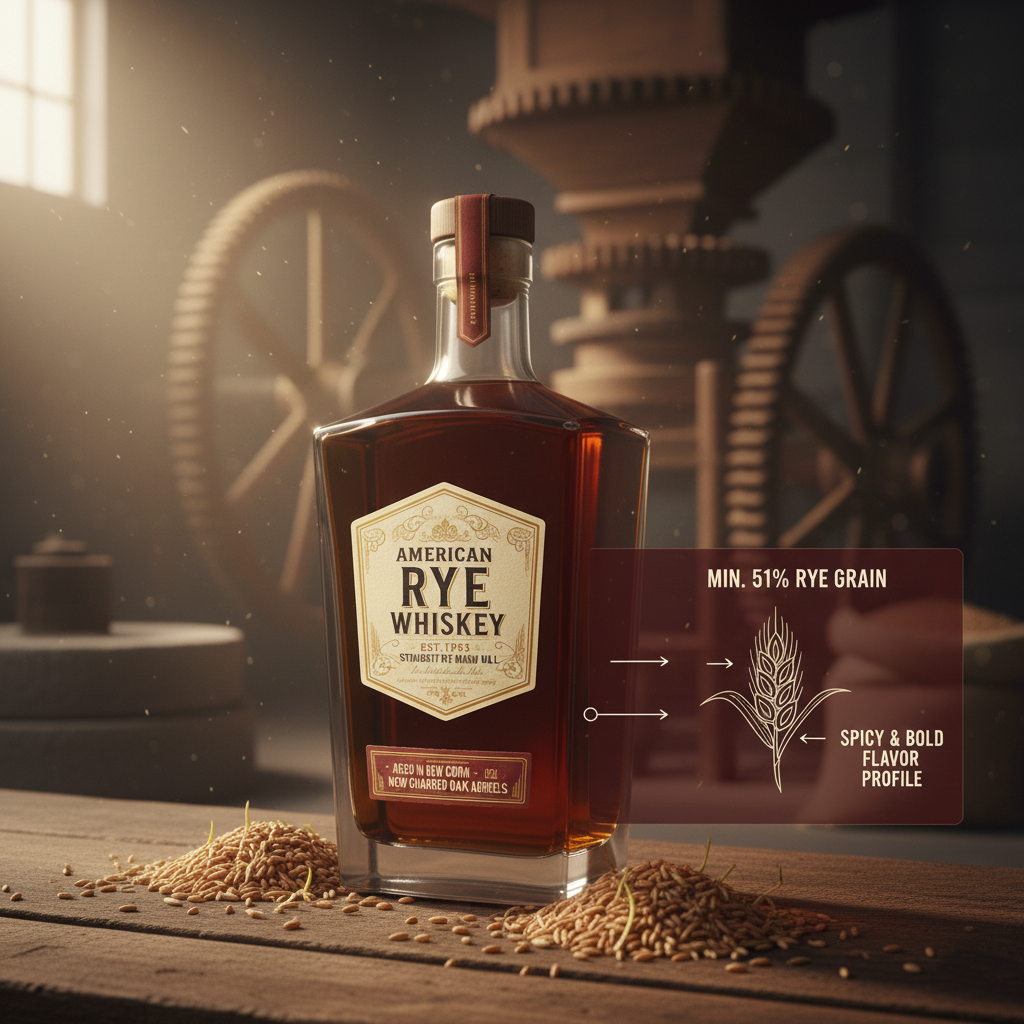
Must be made from at least 51% rye grain and aged in new charred oak.
Taste:
Rye offers a crisper, spicier, and sharper mouthfeel than Bourbon. It is the classic choice for cocktails like the Manhattan.